

Seeming Human: Artificial Intelligence and Victorian Realist Character
Product details
| Management number | 231913520 | Release Date | 2026/06/18 | List Price | US$9.81 | Model Number | 231913520 | ||
|---|---|---|---|---|---|---|---|---|---|
| Category | |||||||||
Offers a new theory of realist character through character’s unexpected afterlife: the intelligent machine. In Seeming Human, Megan Ward contends that mid-twentieth-century versions of artificial intelligence (AI) offer a theory of verisimilitude omitted by traditional histories of character, which often focus on the development of interiority and the shift from “flat” to “round” characters in the Victorian era. Instead, by reading character through AI, Megan Ward’s Seeming Human argues that routinization, predictability, automation, and even flatness are all features of realist characters. Early artificial intelligence movements such as cybernetics, information theory, and the Turing test define ways of seeming—rather than being—human. Using these theories of verisimilitude to read Victorian novelists such as Elizabeth Gaskell, Margaret Oliphant, Anthony Trollope, Thomas Hardy, and Henry James, Seeming Human argues that mechanicity has been perceived as anti-realist because it is the element that we least want to identify as human. Because AI produces human-like intelligence, it makes clear that we must actually turn to machines in order to understand what makes realist characters seem so human. Read more
| ASIN | B07FZ2FHJ3 |
|---|---|
| XRay | Not Enabled |
| ISBN13 | 978-0814276419 |
| Edition | 1st |
| Language | English |
| File size | 1.2 MB |
| Page Flip | Enabled |
| Publisher | Ohio State University Press |
| Word Wise | Enabled |
| Print length | 248 pages |
| Accessibility | Learn more |
| Screen Reader | Supported |
| Publication date | August 23, 2018 |
| Enhanced typesetting | Enabled |
Bestseller ranking
19th Century




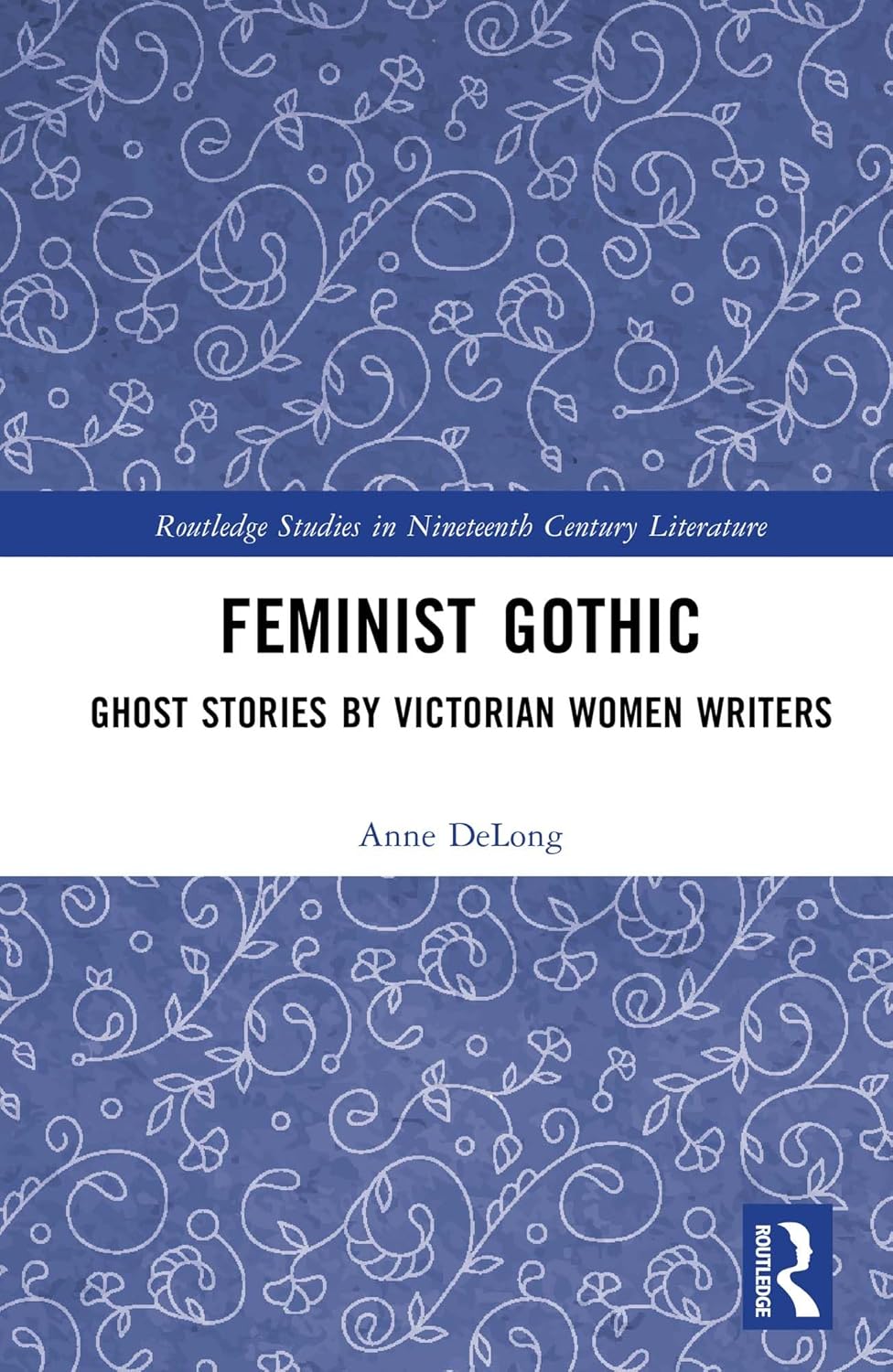
Customers who viewed this product also viewed
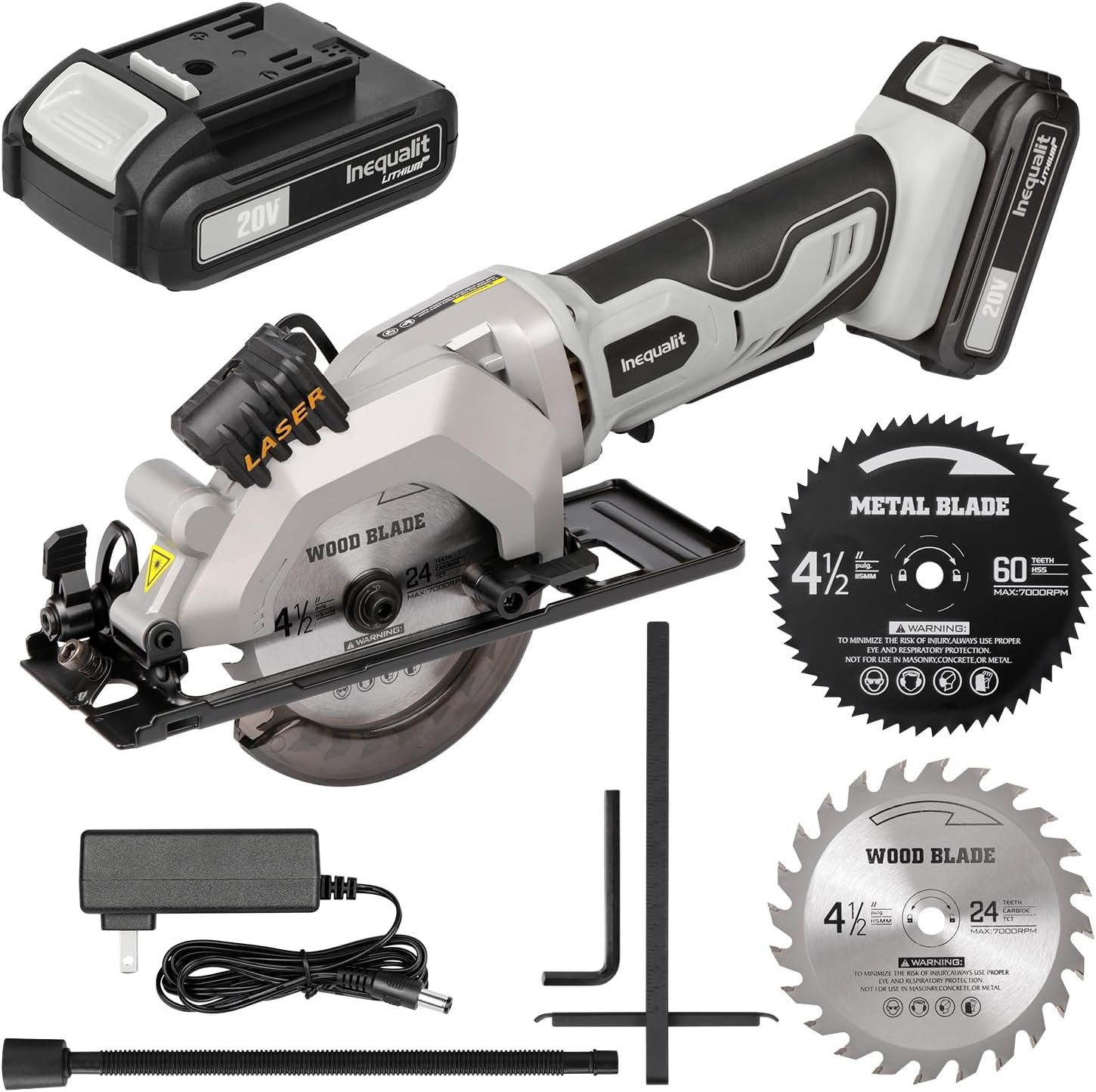
Circular Saws


Correction of product information
If you notice any omissions or errors in the product information on this page, please use the correction request form below.
Correction Request Form